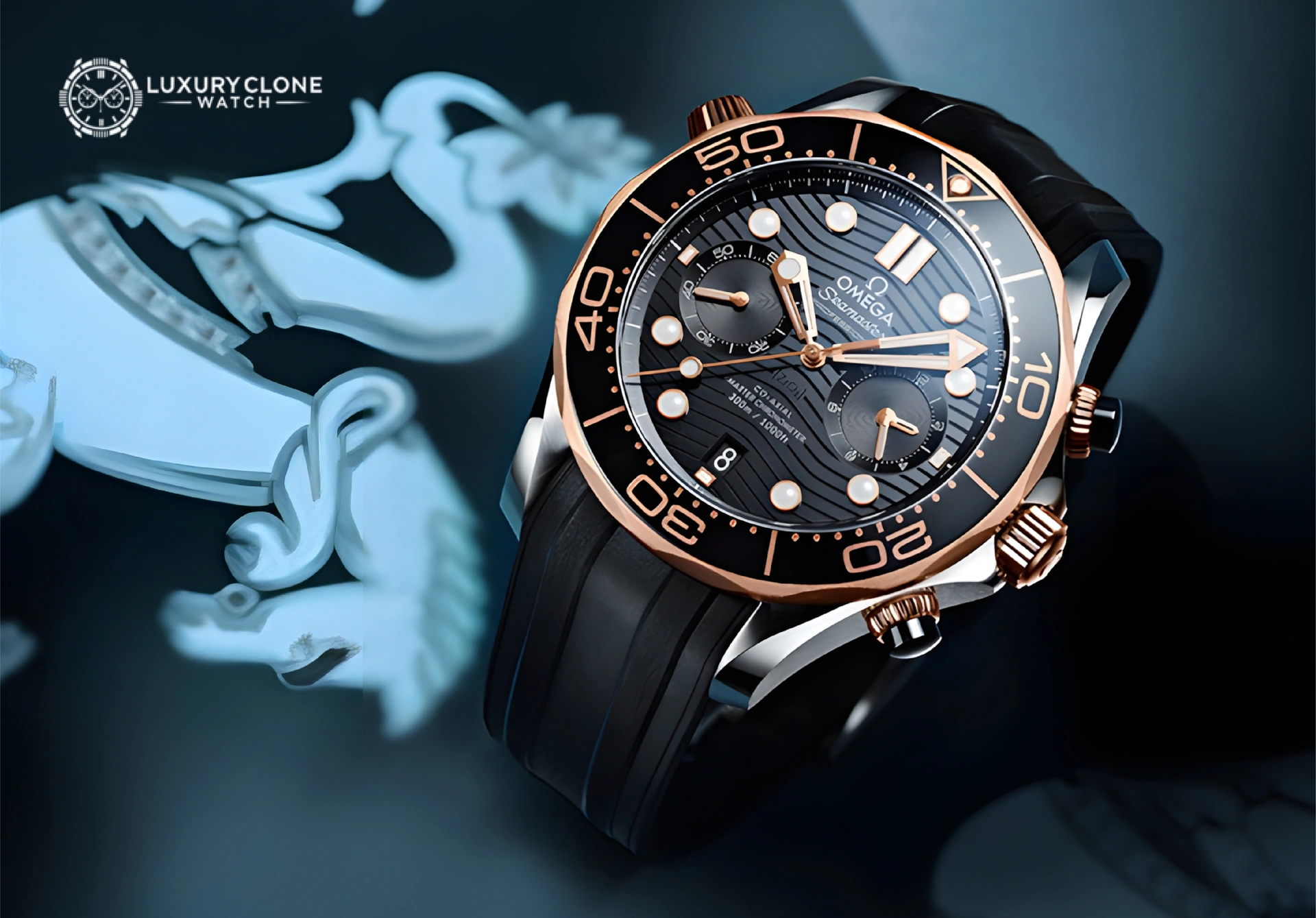
If you’re considering buying an Omega watch, you’ve probably asked yourself: Do Omega watches hold their value? Or more directly, are Omega watches worth it?
It’s a fair question. Luxury watches aren’t small purchases. Whether you’re eyeing a Speedmaster or a Seamaster, you want to know what happens to your money after you swipe your card.
Some buyers care about prestige. Others care about craftsmanship. And many quietly wonder: do Omega watches increase in value, or will I lose money the moment I leave the boutique?
In this guide, we’ll break it down clearly and honestly:
- How Omega performs in the resale market
- Whether Omega watches depreciate or appreciate
- Which models hold value best
- And what smarter alternatives exist if value retention is your top priority
Let’s get into it.
Omega as a Luxury Watch Brand
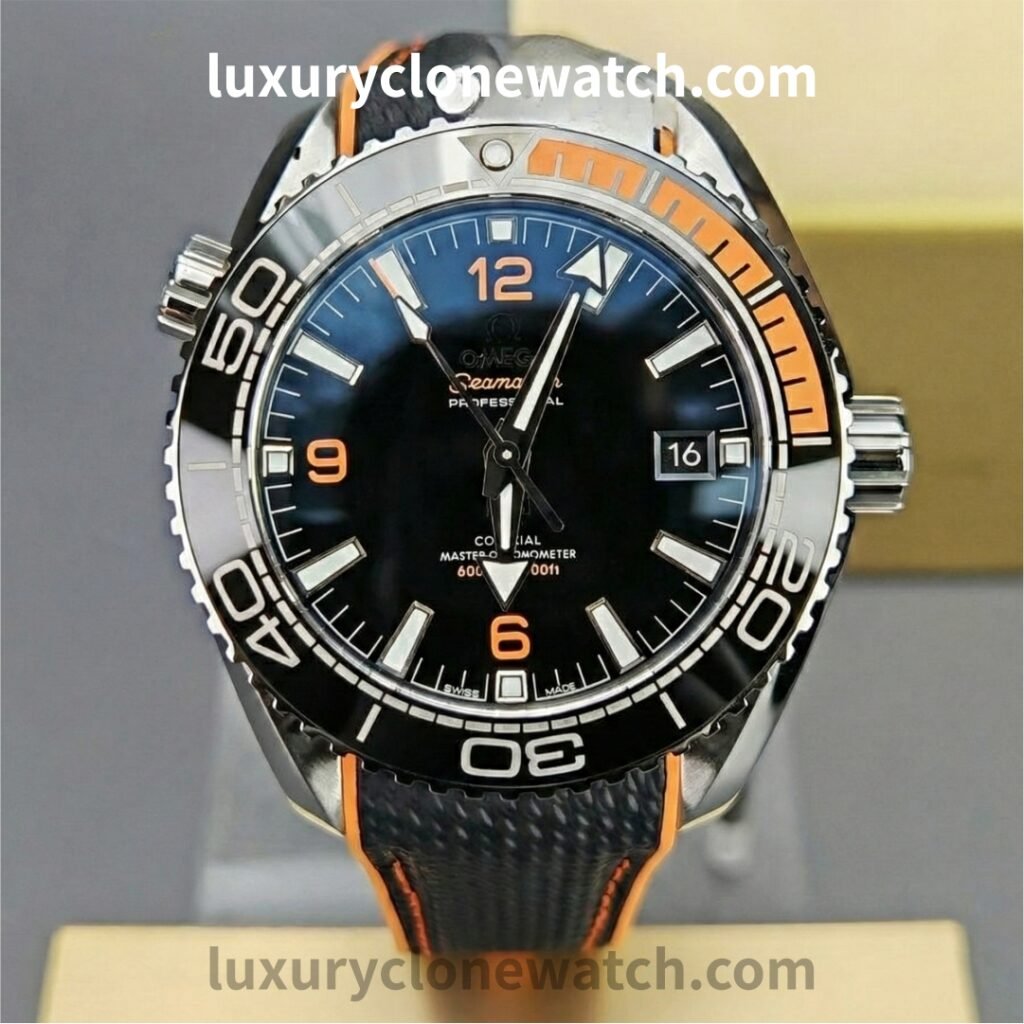
Omega SA isn’t a newcomer riding trends. Founded in 1848, the brand has built its reputation on precision, innovation, and cultural significance.
Omega’s credibility isn’t marketing fluff. It has:
- Been the official timekeeper of the Olympics
- Supplied the Speedmaster to NASA
- Built long-standing ties with James Bond
The luxury market ranks Omega as the second most prestigious brand after Rolex because of its ability to maintain resale value. The brand competes directly with Tudor, TAG Heuer, and Breitling in the market.
The quality of the product remains unquestionable because Omega develops its own watch movements and uses advanced materials and allocates significant resources to research and development. The two elements that create interest begin with brand positioning and end with resale value.
What Does “Holding Value” Mean in Watches?
When people ask, do Omega watches keep their value? They usually mean one of three things:
- Holding value – Losing little to no money over time
- Depreciating – Worth less than the purchase price
- Appreciating – Increasing in resale price
Most luxury watches behave like cars, not real estate. They depreciate after purchase. The secondary market determines real-world pricing, not retail tags.
New watches typically drop in value once worn. Pre-owned pricing reflects actual demand. And appreciation? That’s rare, even among prestigious brands.
Understanding this difference helps frame realistic expectations about Omega watch value over time.
Do Omega Watches Hold Their Value?
The honest answer: Yes, but not exceptionally.
Most new Omega watches depreciate between 15% and 30% once purchased at retail. Some models may drop more depending on market demand.
Compared to Rolex: Rolex often holds or exceeds retail in strong markets. Omega typically trades below retail on the secondary market.
That doesn’t mean Omega performs poorly. In fact, its resale value is solid compared to many other luxury brands. But it doesn’t enjoy the same scarcity-driven demand that protects Rolex prices.
So, if you’re asking, do Omega watches hold value? They do reasonably well, just not at the very top of the industry.
Do Omega Watches Increase in Value?
Most Omegas do not appreciate. However, there are exceptions.
Speedmaster Professional (Moonwatch)
The Moonwatch is Omega’s most iconic model. Certain references, especially discontinued or historically significant ones, have shown stronger value retention and occasional appreciation.
Limited Editions
Limited production runs tied to anniversaries or space missions can perform better, but not all limited editions appreciate. Hype matters.
Discontinued References
When production stops, scarcity can push prices upward, but only if demand exists.
What actually drives appreciation?
- Scarcity
- Cultural relevance
- Strong collector demand
- Historical importance
Without those elements, appreciation is unlikely.
Are Omega Watches Worth the Money or Price?
This is where nuance matters. When asking, are Omega watches worth the money? you’re paying for:
- In-house Master Chronometer movements
- Anti-magnetic technology
- High-grade finishing
- Brand heritage
- Engineering innovation
Retail pricing is high, but grey market and pre-owned options often offer better value.
- Compared to Rolex, Omega offers similar build quality at a lower retail price. Rolex offers stronger resale and brand perception.
- Compared to Tudor, TAG Heuer, or Breitling, Omega often feels more refined technically.
Resale performance is competitive.
If you’re buying to wear daily and appreciate craftsmanship, Omega makes strong financial sense. If you’re buying purely as an investment vehicle, it’s a different conversation.
Which Omega Models Hold Value Best?
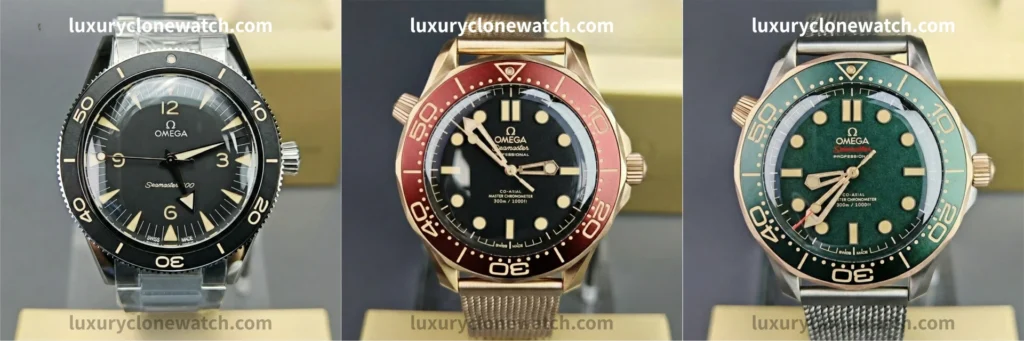
Speedmaster Professional (Moonwatch): The safest bet within the lineup. Consistent demand, strong history.
- Seamaster Diver 300M: Popular, widely recognized, and relatively stable in resale markets.
- Aqua Terra & Planet Ocean: These models hold value decently but generally see more noticeable depreciation than the Speedmaster.
- Limited Editions & Discontinued Models: Performance varies widely. Research specific references before assuming investment potential.
Factors That Affect Omega Resale Value
Omega resale value isn’t fixed. It depends on:
- Condition – Scratches and polishing reduce value
- Box and papers – Full sets command stronger prices
- Service history – Well-maintained watches sell more easily
- Market demand – Trends shift
- Production volume – Higher production = less scarcity
The Omega resale market is healthy, but pricing always reflects supply and demand.
Should You Buy Omega as an Investment?
The honest answer? Usually no. Omega watches are excellent timepieces. But as pure financial investments, they rarely outperform alternatives.
Omega is better positioned as a “buy, wear, and enjoy” brand.
If you want to minimize depreciation:
- Buy pre-owned
- Negotiate discounts
- Choose popular, historically strong models
- Avoid overly niche references
Approach it with realistic expectations.
A Smarter Alternative If You Care About Value, Not Resale
Here’s the bigger question: Why tie up thousands of dollars in a watch that may depreciate, if your main goal is design and wrist presence?
Super clone watches offer:
- A fraction of the cost
- Near-identical aesthetics
- Strong build quality in modern versions
- Minimal financial risk
Since the upfront cost is significantly lower, depreciation becomes irrelevant.
This option makes sense for:
- Style-focused buyers
- Budget-conscious collectors
- Those who want the look without long-term capital commitment
Different goal. Different solution.
Super Clone vs Genuine Omega: What You’re Really Paying For
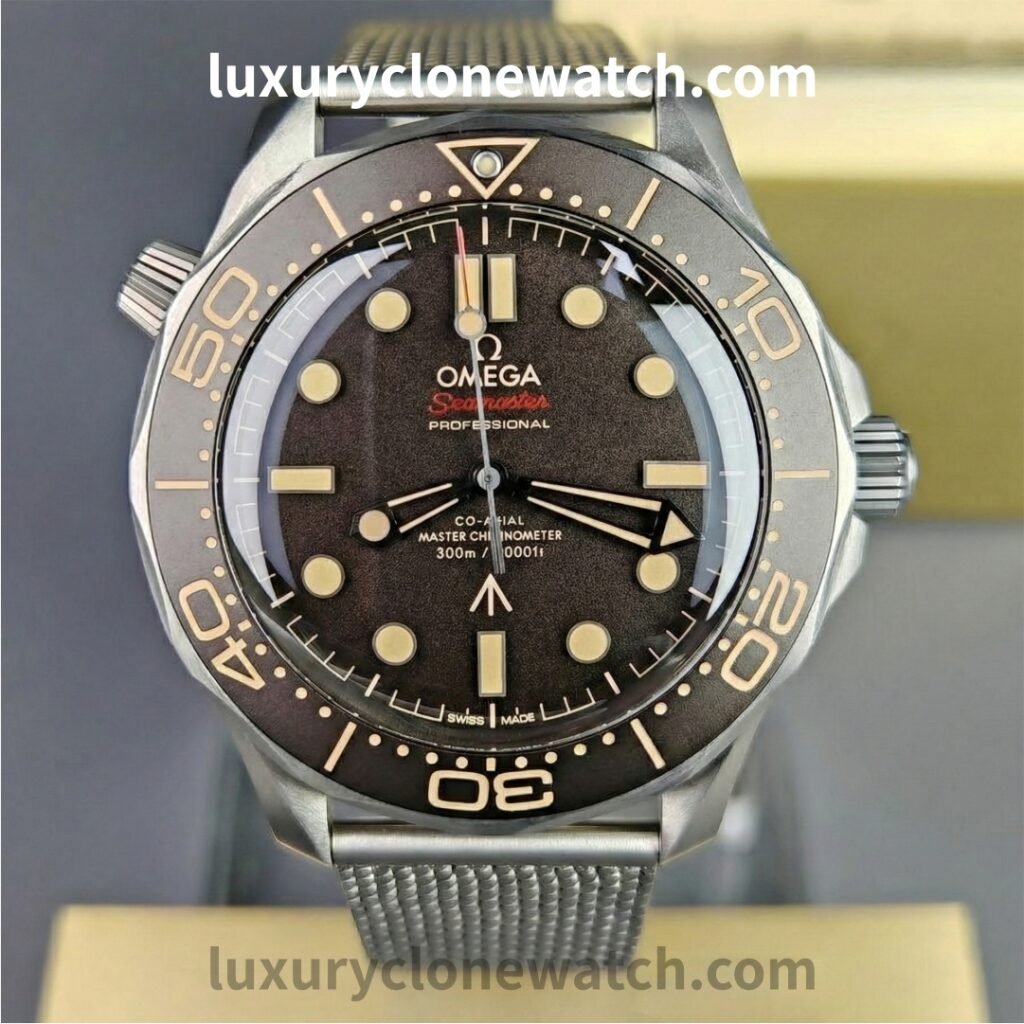
A genuine Omega gives you craftsmanship, heritage, and the pride of owning the real thing. A super clone omega lets you enjoy the same iconic look on your wrist without the high price.
- Price Difference: A genuine Omega costs several thousand dollars, while a Super clone watch costs dramatically less
- Ownership Experience: GenuineOmega is equal to heritage, brand legitimacy, service network, and a Super clone omega offers visual similarity, lower financial exposure
- Brand Prestige vs Design Experience: Omega carries global recognition. however Super clones prioritize appearance.
If your priority is resale and investment, Omega may not be ideal. But if your priority is wrist presence without financial pressure, alternatives make practical sense.
Conclusion
So, do Omega watches hold their value?
Yes, reasonably well. But they are not investment powerhouses. If your goal is:
- Investment growth → Look elsewhere.
- Enjoyment and craftsmanship → Omega is absolutely worth it.
- Budget-conscious style → Consider alternatives that reduce financial risk.
Omega makes exceptional watches. Just make sure you’re buying for the right reason. In luxury timepieces, clarity of purpose matters more than hype.