Walk into an authorized Rolex dealer and ask about a popular steel model. In many cases, the conversation does not start with price. It starts with availability.
That says a lot about Rolex.
The brand is expensive, but the price is only one part of the story. Rolex sits in a rare position where demand, reputation, engineering, scarcity, and resale confidence all work together. People do not only buy a Rolex because it tells time. They buy it because it represents craftsmanship, status, durability, heritage, and, in some cases, long-term value.
Still, the question is fair: why are Rolex watches so expensive?
Rolex watches are expensive because they combine premium materials, in-house engineering, strict quality control, global demand, and long-term brand value. From Oystersteel cases and sapphire crystal to automatic movements and limited retail availability, every part of the Rolex ownership experience affects the final price. That high cost is also why many buyers compare pre-owned watches, homage styles, and Rolex super clone options before deciding what fits their budget.
Here is what actually sits behind the price.
The Real Question: What Part of the Rolex Price Is Watchmaking, and What Part Is Brand Power?
A genuine Rolex is expensive because the buyer is paying for two things at the same time: the physical watch and the brand system behind it.
The physical watch includes the case, bracelet, dial, movement, crystal, clasp, testing, and finishing. The brand system includes Rolex’s in-house manufacturing infrastructure, research and development, official distribution, authorized dealer network, warranty support, marketing, sponsorships, heritage, scarcity, and resale confidence.
That second part is where Rolex becomes different from a normal watch purchase. You are not only paying for 904L Oystersteel, sapphire crystal, ceramic bezel, and a mechanical movement. You are also paying for the right to own a product backed by one of the strongest names in luxury.
This is where the comparison with high-tier super clone Rolex watches becomes useful. A premium super clone is not trying to reproduce Rolex’s century of brand equity or official resale structure. Instead, the cost is concentrated in the visible and mechanical parts of the watch: 904L-style steel, sapphire-style crystal, ceramic bezel insert, cloned movement architecture, bracelet feel, case shape, dial accuracy, and QC execution.
That difference in cost structure explains why genuine Rolex watches are expensive and why high-tier super clones can deliver a similar visual and wrist experience at a much lower price.
Rolex Controls More of Its Manufacturing Than Most Buyers Realize
One major reason Rolex watches cost so much is the amount of control the brand keeps over its own production.
Many luxury brands rely on outside suppliers for certain parts, movements, cases, dials, or finishing processes. Rolex is different. The company is known for keeping a large part of its manufacturing process in-house, from movement development and case production to bracelet construction and material control.
That level of vertical integration is expensive. It requires:
- Specialized production facilities
- Advanced machinery
- Skilled watchmakers
- Material research
- Internal testing systems
- Dedicated quality-control teams
- Long-term investment in manufacturing consistency
For the buyer, this means a Rolex is not just assembled from generic luxury-watch parts. The watch is built within a tightly controlled system where the brand oversees the components, finishing, movement performance, and final inspection.
That control adds cost, but it also creates consistency. A Rolex Submariner, Datejust, GMT-Master II, Daytona, or Day-Date is expected to feel like a Rolex every time. The case shape, bracelet feel, winding action, clasp, dial finishing, and movement behavior all have to meet the same internal standard.
That is a major part of what buyers are paying for.
Rolex Uses Premium Materials That Are Harder to Work With
Materials are another real reason Rolex watches are expensive. The brand does not rely only on standard watchmaking metals. It uses specific alloys, precious metals, ceramics, sapphire crystals, and highly controlled finishing processes.
One of the best-known examples is Oystersteel.
Rolex uses Oystersteel for many of its steel watch cases and bracelets. It belongs to the 904L steel family, which is more corrosion-resistant than the 316L steel commonly used in many other watches. It can also hold a bright polish extremely well.
But better corrosion resistance and finishing potential come with a tradeoff. This type of steel is harder to machine and polish. It can increase tool wear, production time, and finishing complexity.
Rolex also uses precious metals across many models, including:
- 18k yellow gold
- 18k white gold
- Everose gold
- 950 platinum
Precious-metal Rolex watches cost more because the raw material itself is expensive. But the cost is not only the metal value. It also includes casting, shaping, machining, polishing, and controlling the final color and finish.
This is why a steel Oyster Perpetual, a two-tone Datejust, a yellow gold Day-Date, and a platinum Daytona sit in very different price ranges. The material changes the entire cost structure.
Material Cost: Rolex Oystersteel vs 904L-Style Super Clone Construction
Rolex uses Oystersteel, a grade 904L steel family material known for corrosion resistance and its ability to hold a bright polished finish. That steel is harder to machine and finish than standard 316L steel, which adds real production complexity. Rolex also uses in-house precious-metal alloys such as Everose gold, 18k gold, and 950 platinum on higher-end references.
Rolex itself describes Oystersteel as a high-performance 904L-grade steel.
High-tier super clone factories reduce the cost structure by focusing on the material effect rather than the full Rolex supply chain. A strong Submariner, Datejust, GMT-Master II, or Daytona super clone may use 904L-style stainless steel, sapphire-style crystal, ceramic bezel inserts, and solid bracelet construction.
The buyer is paying for the external feel, machining, brushing, polishing, bracelet weight, and clasp execution, not Rolex’s foundry operations or proprietary material control.
That is why material comparison matters. A cheap fake Rolex may use plated alloy, mineral glass, and hollow bracelet links. A premium super clone moves closer to the physical specifications buyers expect: 904L-style case, sapphire-style crystal, ceramic bezel, solid end links, Oyster/Jubilee/President-style bracelet construction, and model-specific clasp design.
The cost difference is not because materials do not matter. It is because the replica factory’s cost is concentrated on reproducing the material feel and appearance, while Rolex’s price includes the full infrastructure behind sourcing, alloy control, machining, finishing, testing, and brand-backed consistency.
The Movement Inside Is a Major Part of the Price
A Rolex is not just a luxury bracelet with a famous name on the dial. It is a mechanical watch, and the movement inside plays a major role in the price.
Rolex develops and manufactures its own mechanical movements. These calibers are built for accuracy, durability, power reserve, shock resistance, magnetic resistance, and daily reliability. They are not generic off-the-shelf movements placed inside a luxury case.
For example, modern Rolex movements are designed to support features such as:
- Automatic winding
- Stable timekeeping
- Long power reserve
- Date function
- GMT function
- Chronograph timing
- Shock resistance
- Long-term serviceability
The movement is one of the most expensive and technically important parts of the watch. It takes years of development, testing, refinement, and production control to make a mechanical caliber that can perform consistently over time.
This is also why Rolex watches feel different in hand. The crown action, winding feel, date change, hand-setting behavior, and movement reliability all contribute to the ownership experience.
When someone buys a Rolex, they are not only paying for how the watch looks. They are paying for the mechanical system behind the dial.
Movement Cost: Rolex Calibers vs Dandong-Supplied Clone Movements
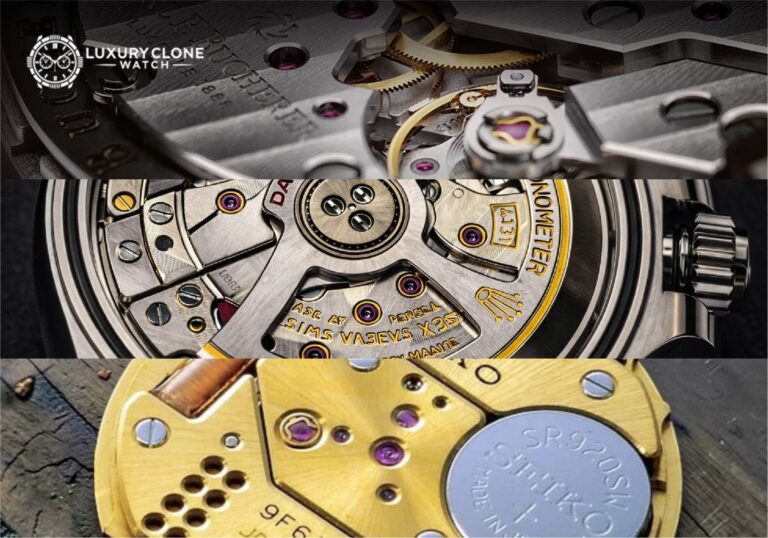
Rolex develops and manufactures its own calibers. That means the cost of a genuine Rolex movement includes research, prototyping, engineering, testing, regulation, production equipment, skilled labor, and long-term service support. A Submariner Date, Datejust, Sea-Dweller, or Yacht-Master powered by a 3235 caliber is not priced like a watch using a generic off-the-shelf automatic movement. A Daytona with a chronograph caliber carries even more mechanical complexity.
High-tier super clone factories follow a different model. They do not carry the same original movement R&D cost. Instead, they rely on clone movement suppliers and integrate those movements into model-specific builds. Dandong-supplied clone movements are often discussed in the market under names such as DD3135, DD3235, DD3230, DD3285, and DD4130/4131-style chronograph architecture, depending on the reference.
That movement sourcing is one reason high-tier super clones can become technically convincing without carrying the same cost as genuine Rolex production. For example:
| Rolex Model | Genuine Movement Family | High-Tier Super Clone Movement Focus |
|---|---|---|
| Submariner Date 116610 | Rolex 3135 | VS3135 / Dandong DD3135-style movement |
| Submariner Date 126610 | Rolex 3235 | VS3235 / Dandong DD3235-style movement |
| Submariner No-Date 124060 | Rolex 3230 | VS3230 / Dandong DD3230-style movement |
| GMT-Master II 126710 | Rolex 3285 | DD3285 / Dandong 3285-style GMT movement |
| Daytona 116500 / 116509 | Rolex 4130 | SH4130 / DD4130-style chronograph movement |
| Daytona 126500 | Rolex 4131 | VS4131 / DD4131-style chronograph movement |
| Day-Date 40 | Rolex 3255 | 3255-style clone movement |
This is where the price gap becomes easier to understand. Rolex prices include the cost of inventing, manufacturing, certifying, regulating, and servicing the movement ecosystem. High-tier super clones concentrate cost on movement imitation, fitment, rotor feel, power reserve, complication behavior, and visual architecture.
Rolex Watches Go Through Strict Quality Control
Quality control is one of the less visible reasons Rolex watches are expensive.
A buyer sees the finished product: polished case, clean dial, bracelet, clasp, and crown. What they do not see is the testing and rejection process behind that finished watch.
Rolex watches are expected to meet high standards for accuracy, water resistance, shock resistance, case finishing, bracelet construction, dial cleanliness, hand alignment, movement performance, and crown and clasp function.
Strict testing slows production and increases cost. It also means that components and watches that do not meet the required standard cannot simply be shipped out. In lower-cost manufacturing, speed and volume often reduce cost. In luxury watchmaking, controlled production and rejection standards raise cost.
This matters because a Rolex is expected to remain wearable for years, often decades, when properly maintained. The brand reputation depends on consistency. A poor clasp, weak crown, misaligned dial, or unreliable movement would damage the experience buyers expect.
That level of consistency is expensive to maintain.
QC Cost: Rolex Testing vs Super Clone Pre-Shipment Inspection
Rolex quality control is part of the genuine watch price. A genuine Rolex is expected to pass strict internal checks for water resistance, accuracy, shock resistance, crown operation, bracelet fit, clasp function, dial cleanliness, hand alignment, and finishing consistency.
That type of official testing is expensive because it is tied to the brand’s long-term reputation. Rolex is not only selling the watch; it is selling confidence that the watch meets Rolex’s standard before it reaches the buyer.
High-tier super clone QC works differently. Instead of an official manufacturer-backed inspection system, the buyer relies heavily on factory batch quality, seller transparency, QC photos, videos, and community knowledge. Strong sellers show the exact watch before shipping, including dial alignment, rehaut position, cyclops centering, bezel alignment, bracelet fit, clasp finishing, crown action, movement video, and timegrapher result where available.
This lowers the cost compared with Rolex’s official testing structure, but it also shifts more responsibility to the buyer. In a genuine Rolex, the buyer pays for brand-backed consistency. In a high-tier super clone, the buyer pays less but must verify the exact piece through QC evidence.
The Brand Itself Carries Enormous Value
There is no honest answer to Rolex pricing without talking about the brand.
Rolex has built one of the strongest names in luxury. Even people who know very little about watches know what Rolex represents. That brand recognition did not happen by accident.
For decades, Rolex has positioned itself around achievement, exploration, sport, precision, and success. The brand has been connected with deep-sea exploration, motorsport, tennis, golf, yachting, cinema, and cultural milestones. These associations shape how people see the watch before they even touch it.
That brand power adds value. A Rolex is not just evaluated as a mechanical object. It is also evaluated as a symbol. It carries instant recognition in a way most luxury watches do not. That recognition increases demand, and demand supports premium pricing.
This is where Rolex becomes more than a watchmaker. It becomes a luxury institution.
Some buyers pay for engineering. Some pay for heritage. Some pay for resale confidence. Some pay for status. Most pay for a combination of all of them.
Marketing Cost: Rolex Brand Equity vs Factory-Led Demand
A large part of Rolex pricing comes from brand equity. Rolex has spent decades building global recognition through sport, exploration, cinema, motorsport, yachting, golf, tennis, and luxury culture. That brand presence creates trust before the buyer ever sees the watch.
The cost of that brand system is built into the product. Sponsorships, official retail presentation, ambassadors, events, global advertising, boutique design, after-sales service, and controlled distribution all contribute to the final price.
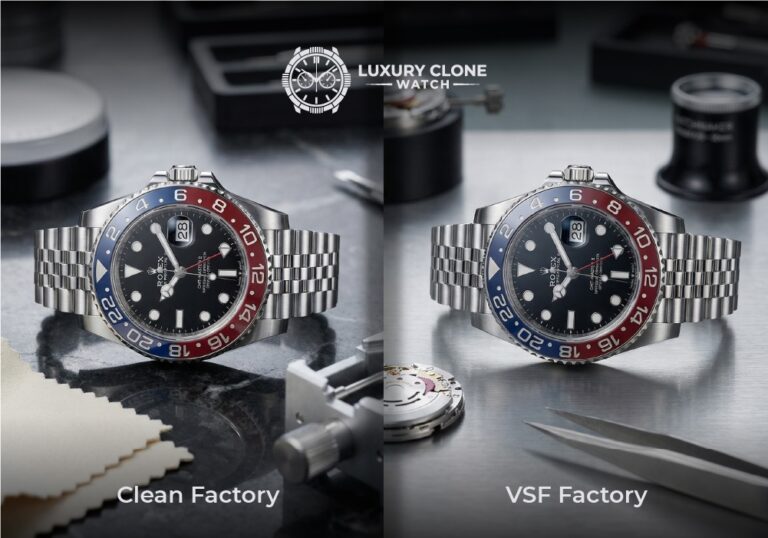
High-tier super clone factories do not carry that kind of marketing cost. VSF, Clean Factory, BT Factory, ZF, and similar makers gain demand through enthusiast comparison, QC photos, factory reputation, movement performance, and model-specific accuracy.
A VSF Submariner earns attention because of crystal clarity, DD3235/VS3235-style movement integration, case profile, and bracelet feel. A Clean Daytona or Clean GMT-Master II earns attention through case shape, ceramic bezel execution, dial spacing, and movement behavior.
This is why the cost structure is so different. Rolex sells the official watch and the brand universe around it. Super clone factories focus on reproducing the watch’s visible and mechanical experience with far less overhead.
Limited Retail Availability Keeps Demand High
Rolex watches are expensive not only because of how they are made, but also because of how they are distributed.
Many popular Rolex models are difficult to buy at retail. Steel sports models such as the Submariner, GMT-Master II, Daytona, and certain Datejust configurations often attract more demand than dealers can immediately satisfy. This creates a familiar buyer experience:
- The desired model is not in stock
- The dealer may take an expression of interest
- Wait times can vary
- Some models are easier to get than others
- Popular references may sell above retail on the secondary market
This does not mean every Rolex is impossible to buy. Availability changes by model, region, dealer relationship, and market conditions. But the perception of limited access is a major part of the brand’s pricing power.
When a product is difficult to buy at retail, desire often increases. The watch feels more exclusive. Buyers become more willing to wait, pay a premium, or search the secondary market.
That imbalance between supply and demand is one reason Rolex prices remain so strong.
Resale Value Strengthens Buyer Confidence
Another reason people are willing to pay more for a Rolex is the resale value.
Many luxury watches lose a large part of their value after purchase. Rolex is different. Certain models, especially popular steel sports references, have historically held value well and sometimes traded above retail in the secondary market.
This does not mean every Rolex is an investment. Prices can rise or fall depending on the model, condition, market demand, paperwork, production status, and wider economic trends. But Rolex has built a reputation for stronger resale performance than many other watch brands.
That reputation affects buyer psychology.
If a buyer believes a watch will hold value, they may feel more comfortable paying a higher price upfront. A Rolex with box, papers, service history, and strong market demand is treated very differently from a watch with no documentation or unclear authenticity.
This is also where genuine Rolex watches separate themselves from non-genuine alternatives. A real Rolex carries brand-backed value, authentication potential, service history, and collector demand. A replica or super clone may imitate the look, but it does not carry the same market trust or resale value.
Heritage Still Matters in Luxury Watch Pricing
Rolex was founded in 1905, and that history matters.
In luxury markets, heritage creates trust. A brand that has spent more than a century building recognition, improving its watches, and maintaining cultural relevance can charge more than a newer brand with less history.
Rolex is associated with several important watchmaking ideas, including waterproof Oyster cases, automatic winding systems, Superlative Chronometer performance, and durable everyday luxury watches. Over time, these achievements became part of the brand story.
Buyers are not only buying the current watch on the counter. They are buying into the reputation built behind it. That is why heritage has financial value. It gives buyers confidence that the brand is established, recognized, and likely to remain desirable.
A Rolex is expensive because it carries the weight of more than a century of brand-building. That kind of credibility cannot be created quickly.
Why Some Rolex Models Cost More Than Others
Not all Rolex watches are priced the same. A simple steel model and a complicated precious-metal model can sit in completely different price categories. Several factors affect the price:
Case and bracelet material, movement complexity, gem setting, dial rarity, production demand, model popularity, secondary-market interest, condition, and documentation are factors that affect the price overall.
A steel Oyster Perpetual is usually more accessible than a gold Day-Date. A stainless steel Submariner can cost less at retail than a precious-metal Daytona, but market demand may affect how each performs outside the authorized dealer network.
Chronograph models cost more because they are mechanically more complex. Precious-metal models cost more because of the material value. Gem-set models cost more because of stone selection, setting, and finishing. Limited or discontinued references may cost more because collectors compete for them.
So when people ask why Rolex watches are expensive, the answer also depends on which Rolex they mean.
A Datejust, Submariner, Daytona, GMT-Master II, Day-Date, Yacht-Master, and Sky-Dweller do not all follow the same pricing logic.
Which Rolex Models Are Usually the Most Expensive?
Some Rolex models become more expensive because demand is stronger, production is more limited, or the watch uses more complex materials and movements.
The Daytona, Submariner, GMT-Master II, Day-Date, and certain Datejust configurations are often discussed more than other Rolex collections because each one represents a different type of buyer demand.
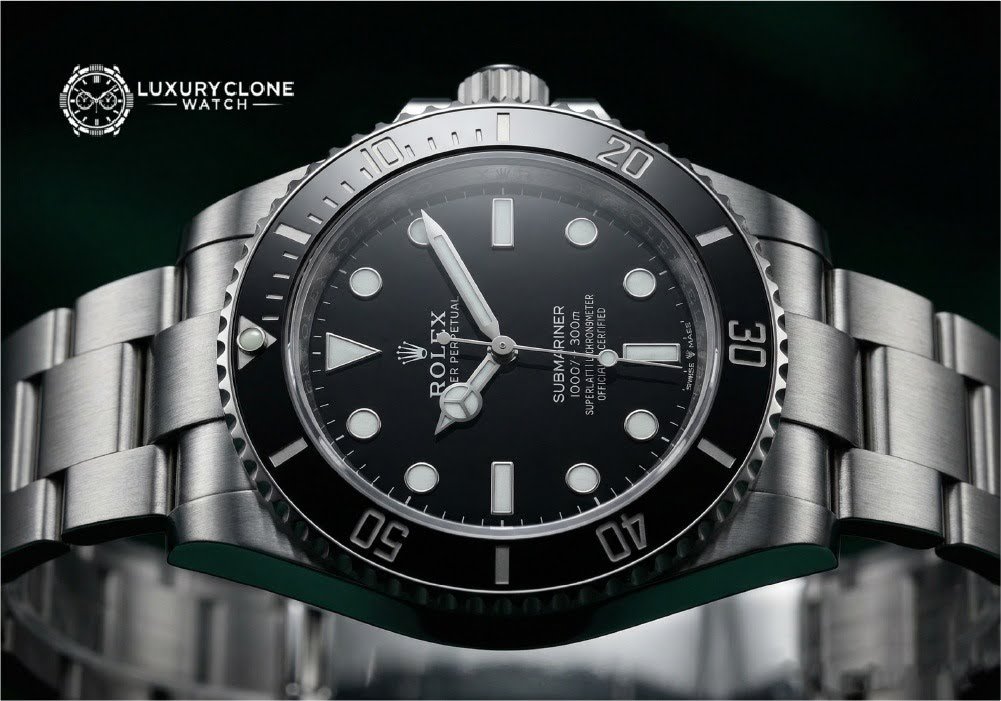
The Rolex Daytona is popular because of its chronograph movement, motorsport history, and strong collector interest. The Submariner is one of the most recognizable dive watches in the world, which keeps demand high across both new and pre-owned markets.
The GMT-Master II appeals to buyers who want a travel watch with a second time zone, especially in popular bezel styles such as Pepsi, Batman, and Sprite.
The Datejust is different. It is less about sports-watch scarcity and more about everyday luxury. Buyers choose it because it works with formal, casual, and business outfits. The Day-Date, often called the President, usually costs more because it is made in precious metals such as gold or platinum and carries a stronger status image.
This is why Rolex pricing cannot be explained by one factor. A steel Oyster Perpetual, a two-tone Datejust, a Submariner, a GMT-Master II, a Daytona, and a gold Day-Date all sit in different price categories because the material, movement, demand, history, and buyer perception are different.
Are Rolex Watches Overpriced or Properly Valued?
This depends on how you look at value. If you compare only raw materials, then yes, a Rolex costs far more than the steel, gold, crystal, and movement parts alone. But luxury pricing is not based only on raw materials.
A Rolex price reflects manufacturing control, mechanical engineering, material quality, finishing standards, testing, brand value, distribution control, resale demand, cultural recognition, and long-term trust.
For some buyers, that makes Rolex properly valued. They see the price as the cost of owning a durable, recognizable, highly respected luxury watch. For others, the markup feels too high. They may appreciate the design but not the waitlists, resale premiums, or brand-driven pricing.
Both views can be true depending on the buyer.
Rolex operates in the luxury market, not the purely practical watch market. In luxury, value is never just about function. It is about trust, emotion, identity, craftsmanship, scarcity, and perception.
Why High Rolex Prices Push Some Buyers Toward Alternatives
High Rolex prices push some buyers toward alternatives because the final retail price includes much more than raw materials and mechanical function. A buyer is paying for Rolex’s foundry control, in-house movement development, global marketing, authorized dealer network, official servicing, scarcity, and resale trust.
A high-tier super clone Rolex removes most of those brand-system costs and concentrates the price on the physical watch experience: 904L-style case construction, sapphire-style crystal, ceramic bezel, clone movement architecture, bracelet finishing, clasp feel, and QC evidence.
So, Why Are Rolex Watches So Expensive?
Rolex watches are expensive because their price isn’t based on a single factor. A Rolex costs more because of its in-house manufacturing, premium materials, mechanical movements, strict testing, and the level of finishing expected from the brand. But the bigger picture is demand. People want Rolex watches, but many popular models are hard to buy at retail, and strong resale performance keeps buyer confidence high.
That combination is what drives the price: craftsmanship, scarcity, reputation, and trust. If you only want a watch that tells time, Rolex will feel overpriced. But if you value heritage, recognition, durability, and market confidence, the cost starts to make more sense.
Genuine Rolex vs High-Tier Super Clone: Where the Money Goes
The price gap makes more sense when the cost structure is placed side by side.
| Cost Area | Genuine Rolex | High-Tier Super Clone Rolex |
|---|---|---|
| Movement | In-house caliber development, engineering, testing, regulation, and service ecosystem | Dandong/clone movement sourcing, modification, integration, and QC |
| Materials | Oystersteel, precious metals, ceramic, sapphire, official material control | 904L-style steel, sapphire-style crystal, ceramic-style bezel, solid bracelet construction |
| Manufacturing | Vertical integration, specialized facilities, skilled labor, rejection standards | Streamlined factory production focused on external accuracy and model-specific fit |
| Quality Control | Official Rolex testing for accuracy, water resistance, shock, finishing, and function | Seller/factory QC photos, videos, timegrapher results, and community inspection |
| Distribution | Authorized dealer network, boutique experience, warranty, brand protection | Direct seller ecosystem, factory reputation, QC transparency |
| Marketing | Global sponsorships, events, ambassadors, heritage, cultural positioning | Enthusiast demand, factory comparisons, reviews, forums, video proof |
| Resale Value | Official authenticity, documentation, CPO ecosystem, collector demand | Personal-use value and partial enthusiast resale retention for high-tier builds |
| Availability | Controlled retail access and secondary-market premiums | Faster access to popular Rolex-style designs |
This does not mean a super clone is the same as a genuine Rolex. It means the buyer is paying for a different cost structure. Genuine Rolex pricing includes the watch, the brand, the infrastructure, and the resale trust. High-tier super clone pricing is concentrated more directly into materials, movement imitation, external finishing, bracelet feel, and QC proof.
Compare Rolex Super Clone Options Before You Decide
Now that you understand why genuine Rolex watches are so expensive, you may want to compare different Rolex super clone options by model, style, movement, bracelet, design, and factory reputation. Explore Daytona, Submariner, GMT-Master II, Datejust, and Day-Date styles in one place.
These watches are not genuine Rolex products and are not affiliated with Rolex. They are alternatives for buyers who want to compare the look, feel, and design of popular Rolex-style watches before choosing what fits their budget.