The luxury watch market has become technical in recent years, and buyers now do not simply look at the brand names but also look at the materials, the movement quality, and the overall construction as well. Superclone watches have captured the interest in this area as highly sophisticated imitations that are supposed to be very similar to real Swiss watches in appearance and functionality. Superclone watches allow you to experiment with various models and configurations.
In contrast to the simple imitations, these watches are manufactured in the most accurate techniques, including CNC machining, Sapphire crystal glass, and well-designed automatic movements. It is not only about how the watch looks, but also about a re-creation of the complete experience, with the weight, the finishing, and the feel of the watch on the wrist.
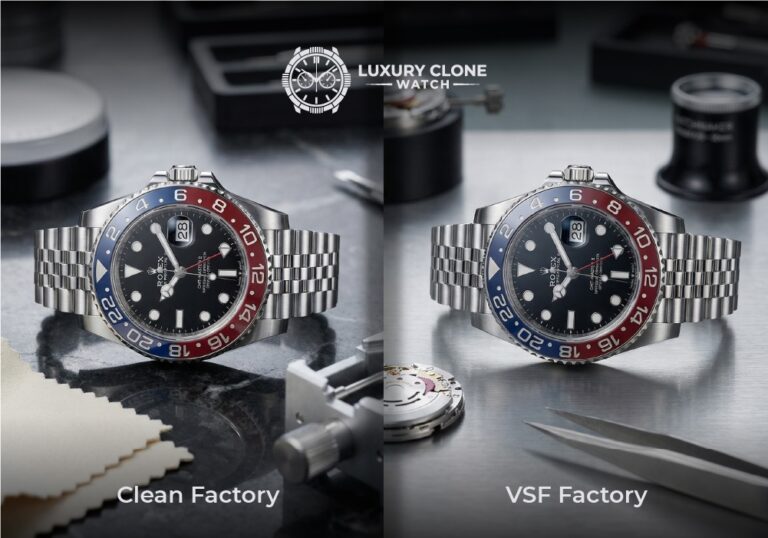
We are going to deconstruct the whole system in this guide, such as the factories that do the production, the materials, and the technology that moves it into motion and makes it work. To further compare the various differences between leading factories in terms of build quality and accuracy, see the factory comparison guide (Clean vs VSF analysis).
FACTORY ECOSYSTEM BEHIND SUPERCLONE WATCHES

The quality of a superclone watch is largely determined by the factory in which it is made. A factory specializes in a certain aspect of the watch, like finishing, movement, or case design. This separation of labor contributes to the greater accuracy and consistency of the various models.
Clean Factory is primarily a company that specializes in exterior finishing. Their attention is on dial details, color accuracy of the bezel, and polishing of the bracelet. VS Factory (VSF), on the other hand, is an engineering firm in motion. Their clone calibers, such as VS3235 and VS3186, are created to mimic the role of real watches like the Rolex Submariner and the GMT-Master II.
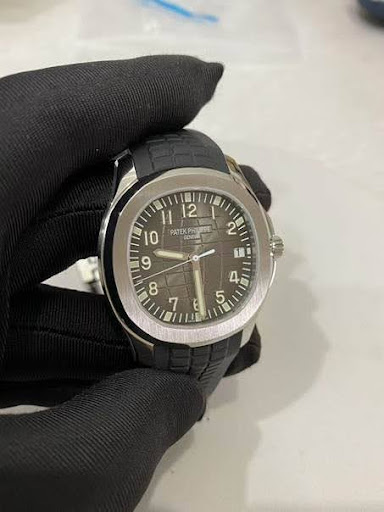
ZF Factory is known for its case shape and dial accuracy, particularly in complicated designs such as Audemars Piguet Royal Oak. PPF Factory specializes in ultra-thin watches, especially watches such as Patek Philippe Nautilus and Aquanaut, in which the correct thickness and proportions are highly valued.
MATERIALS & CASE ENGINEERING
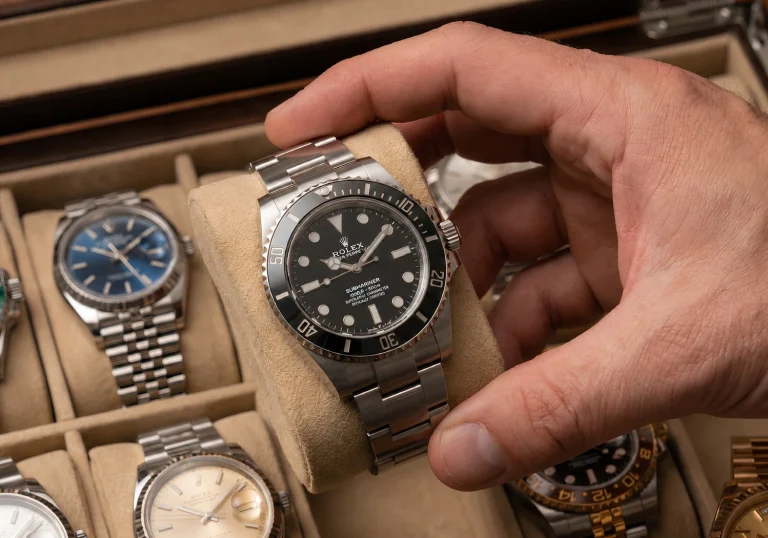
The materials of a watch make a significant contribution to its appearance and tactile sensations in real life. Superclones of superior quality are made of materials that are highly similar to those of the real luxury watches. This consists of 904L stainless steel to enhance resistance against corrosion and glossiness, 316L steel in other models, sapphire crystal to resist scratches, and ceramic bezels that retain color with time.
Such materials are not selected just because they are durable, but the way they respond to light and touch. Material quality affects the weight, surface reflection, and the overall feel on the wrist, so the best factories attempt to replicate the original specifications as closely as possible.
Case engineering is done using CNC machining, where the watch case is cut from solid metal instead of being molded. This allows for very tight tolerances, often around ±0.01mm, ensuring that the case thickness, shape, and structure closely match genuine designs.
MOVEMENT & REAL-WORLD PERFORMANCE
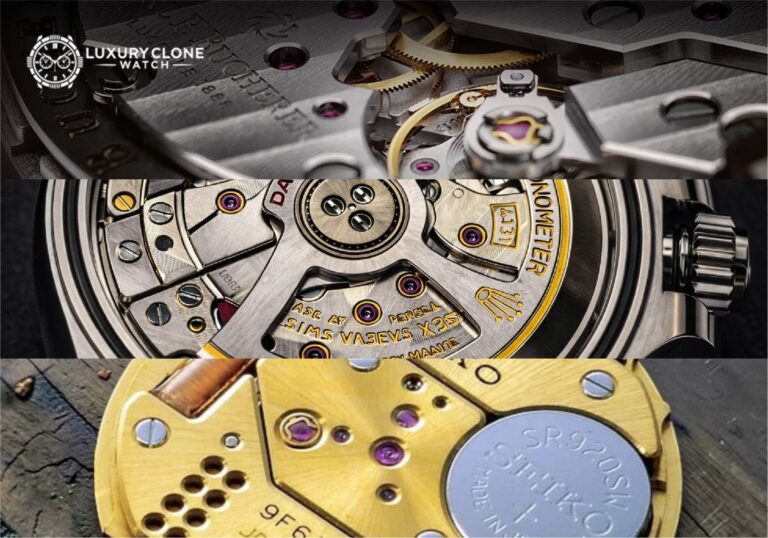
The central element of any watch is the movement since it determines the functioning of the watch and the ability to tell the time. Factories of high-end superclone watches produce cloned automatic movements, which are intended to imitate the structure and performance of Swiss calibers closely. This involves the arrangement of the gears, the movement of the rotor, and the winding of the watch in its daily use.
Typical models are VS3235 and VS3186, designed to imitate movements employed in Rolex watches such as the Submariner and the GMT-Master II. The goals of these movements include providing a smooth seconds sweep, consistent timekeeping, and lifelike power reserve, which are significant to form a natural wrist experience.
In practice, the watches usually operate at 28,800 vibrations per hour, providing a smooth and regular movement. But the long-term performance also relies on the quality of the factory and the assembly standards, which is why the reliability of the movements is one of the most important factors when analyzing the quality of the watches in general.
Conclusion
Superclone watches are constructed as a blend of specialized plants, well-chosen materials, and designed movements. Every one of the stages is involved in developing a watch that closely resembles the appearance and feel of authentic luxury watches.
The factories, such as Clean, VSF, ZF, and PPF, play various roles, including external finishing and internal movement design. This, together with 904L steel, sapphire crystal, and ceramic components, aids in enhancing durability and visual accuracy.
Overall, these watches sit between standard replicas and authentic Swiss models. They are highly realistic in their everyday use, yet their longevity and craftsmanship still depend on production quality and factory norms.