Walk into any authorized dealer and ask about a steel Rolex. You’ll probably hear two things:
“It’s expensive.”
“And we don’t have it in stock.”
That combination alone tells you something important: demand far exceeds supply. In recent years, that imbalance has fueled a parallel market where Rolex super clones are booming, too.
Rolex isn’t just selling watches. It’s selling precision engineering, controlled scarcity, and over a century of brand authority. But beyond the prestige and hype, there are real, tangible reasons why these watches command such high prices.
From Rolex’s iconic designs, use of high-quality materials, limited availability, and desirability, we will explore the variables that make these timepieces by Rolex exclusive and coveted.
1. In-House Manufacturing & Vertical Integration

Most watch brands outsource components. But Rolex doesn’t.
Rolex operates its own foundry. That means they create their own gold alloys instead of buying them from suppliers. They manufacture cases, bracelets, dials, and movements internally.
This level of vertical integration dramatically increases production costs — but it also ensures consistency and control.
When a company owns the entire process, it pays for:
- Specialized machinery
- Skilled watchmakers
- Research & development
- Quality control at every stage
That infrastructure isn’t cheap.
2. Premium Materials (Not Just Marketing)
Rolex uses materials that genuinely cost more.
a. 904L Oystersteel
Most watches use 316L steel, but Rolex uses 904L, branded as Oystersteel. It’s more corrosion-resistant and harder to machine, which increases manufacturing cost.
Harder metal = more tool wear = slower production = higher expense.
b. Solid Gold & Platinum
Rolex produces:
- 18k yellow gold
- 18k white gold
- Everose gold (their proprietary rose alloy)
- 950 platinum
Because they cast gold in-house, they control purity and color consistency, but also absorb the full cost of precious metal production.
3. The Movement Inside (Precision Engineering)
A Rolex isn’t just a luxury accessory. It’s a mechanical instrument.
Their automatic watches use in-house calibers like the 3235 and 4130. These are not off-the-shelf ETA movements. They’re proprietary mechanical systems designed for:
- High power reserve
- Anti-magnetic resistance
- Long-term durability
- Chronometer precision
Every movement is COSC certified and then regulated again in-house to tighter tolerances.
Developing and maintaining that level of mechanical engineering requires decades of horological research.
When you pay for a Rolex, you’re paying for the movement as much as the name.
4. Extreme Quality Control
Rolex is obsessive about testing. Each finished watch undergoes:
- Pressure testing
- Accuracy testing
- Shock resistance testing
- Waterproof verification
Even the bracelet’s stretch tolerance is measured precisely. Mass production lowers cost, and controlled production with strict rejection standards raises it.
Rolex chooses the second option.
5. Brand Power & Marketing Dominance
Let’s be honest, brand perception plays a massive role here.
Rolex has built a global image around:
- Exploration (deep sea, Everest)
- Motorsports
- Tennis championships
- Film and cultural icons
Rolex knows how to reach its target audience. From Wimbledon and Oscars event sponsorships down to partnering with celebrities and athletes, they have built a brand that screams prestige. The smart branding has placed Rolex as the best luxury watch manufacturer.
Some super-star Rolex family members include:
- Roger Federer
- Martin Scorsese
- Tiger Woods
- James Cameron
- Zendaya
- Carlos Alcaraz
Rolex has its roots spreading through Hollywood, Equestrianism, Motor Sport, Yachting, Golf, and Tennis.
Marketing budgets at that scale are enormous. And those costs are built into product pricing.
6. Controlled Supply & Artificial Scarcity
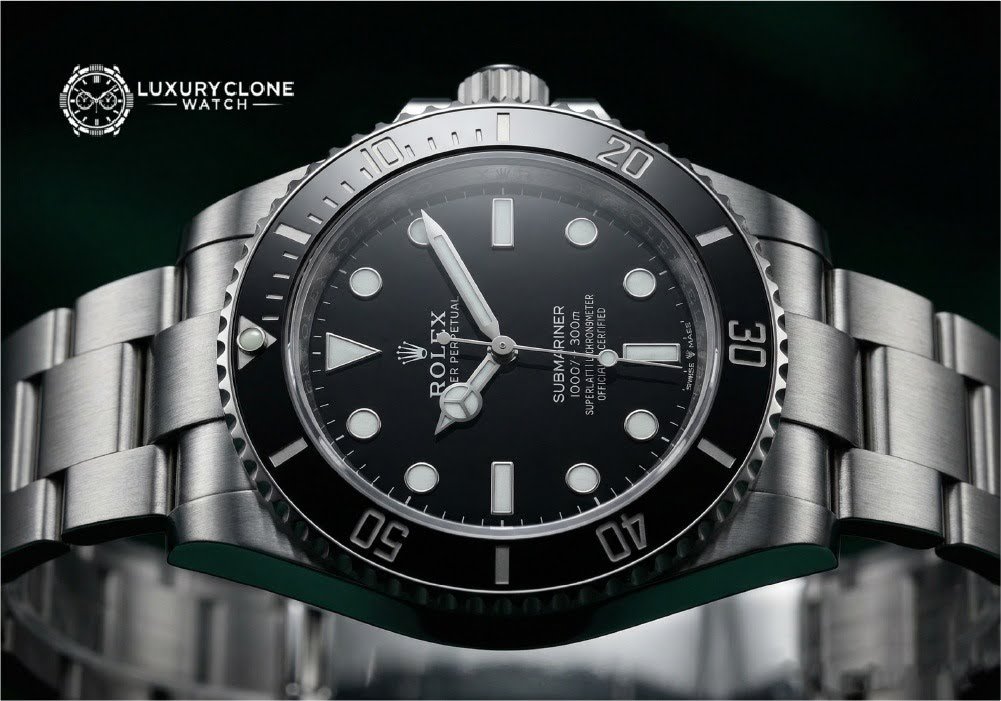
Rolex does not flood the market. Certain models, like the Submariner, Daytona, and GMT-Master II, are intentionally difficult to obtain at retail.
Authorized dealers often have waitlists. Some buyers wait years.
When supply is restricted and demand remains high, prices rise, especially in the secondary market, where premiums can exceed retail by thousands of dollars.
For many buyers, that imbalance between availability and affordability shifts the conversation toward alternatives, including the growing interest in buying a super clone Rolex that mirrors the design and mechanical feel without the retail barriers.
The limited availability of products establishes their worth. Higher perceived value of products enables retailers to charge higher retail prices.
7. Resale Value & Investment Appeal
Few luxury watches hold value like Rolex. In many cases, steel sports models sell above retail on the secondary market. That reputation strengthens buyer confidence.
The watch industry determines worth through three main factors:
- Authentic Characteristics
- Historical Background
- Market Demand
A genuine Rolex with box and papers behaves very differently in the resale market compared to non-genuine pieces, which demonstrates how fake Rolexes’ value depends on both buyer expectations and market transparency.
When people believe something holds value, they’re more willing to pay a premium upfront, and Rolex has mastered that psychology.
Rolex is a store of value for many, not just a purchase.
8. Heritage & Reputation in Horology
Founded in 1905, Rolex has over a century of watchmaking history. They were early innovators in:
- Waterproof cases (Oyster case)
- Automatic rotor systems
- Chronometer certification
In the world of horology, legacy matters. Trust built over 100+ years becomes part of the price.
So, in the Rolex case, you are paying for institutional credibility.
Why Some Rolex Models Cost Even More
Not all Rolex watches are priced equally. Factors that increase cost:
- Complications (chronographs, dual time zones)
- Precious metal construction
- Gem setting
- Limited production references
For example, a stainless steel Submariner costs far less than a platinum Daytona with a ceramic bezel. Material and mechanical complexity scale pricing quickly.
Is Rolex Overpriced — Or Properly Valued?
This depends on perspective. If you’re evaluating:
- Raw material cost → yes, markup exists.
- Engineering quality → pricing aligns with Swiss luxury standards.
- Brand equity → premium pricing is expected.
In luxury markets, price reflects craft, scarcity, reputation, and demand. Rolex happens to score high in all four.
Where Can I Buy an Affordable Rolex Watch?
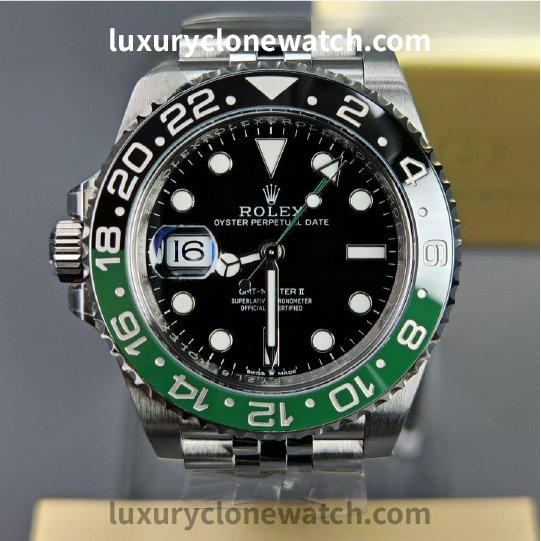
You can buy used or pre-owned Rolex watches from a number of places, but if you are after some real value without sacrificing quality or the pre-owned title, a Rolex super clone is the way to go.
Super Clone watches perfectly replicate the original Rolex in terms of:
- Materials (904L stainless steel, sapphire crystal, and precious metals)
- Authentic Swiss movements
- Details regarding weight and feel
These watches are developed with advanced techniques, even to fool the experts. Super Clone watches typically range from $1,000 to $1,400, making luxury affordable while maintaining the same quality, functionality, features, and accuracy as original Rolex watches.
FAQs
What is the cheapest Rolex watch?
The Oyster Perpetual is an entry-level Rolex and begins at about $5,000. The watch design features a traditional style with its stainless steel casing and absence of a date display.
Why are pre-owned or used Rolex watches more expensive than the new ones?
The company restricts access to its latest watch designs. The market values unique timepieces that have reached their final production stage. That’s why pre-owned Rolex watches possess high demand because collectors and enthusiasts want to obtain them.
Conclusion: Rolex is Expensive for a Reason!
So, why are Rolex watches so expensive?
It’s not just one factor. It’s:
- In-house production
- Premium materials
- Precision mechanical movements
- Strict quality control
- Aggressive brand positioning
- Limited supply
- Strong resale value
Rolex operates at the intersection of engineering and psychology. The watches are mechanically impressive, but the brand strategy is just as powerful.
Understanding that balance explains the price better than any single feature ever could.